
Home decor styles: a complete guide and ideas for every room
29 maggio 2026
Personalizing your home by choosing combinations that best reflect who you are is the best way to truly make your own living space. Choosing colors, tiles, wall coverings, and fabrics allows you to create a world tailored just for you.
But which style is right for you?
How to choose a decorating style for your home in just a few steps
Choosing a style doesn’t mean following a trend, but rather finding a balance between aesthetics, functionality, and how you experience your spaces. To get started, it’s helpful to follow a few key steps:
- Define your personal needs and habits: every home reflects a specific lifestyle. The presence of children or pets, outdoor spaces, and working from home are all factors that influence your choices;
- Identify a reference color palette: essential for creating visual coherence. Neutral tones lead us toward more minimalist solutions, while sophisticated finishes or brighter colors give the space a stronger character;
- Light and spatial dimensions: natural light and room proportions affect the final result. Small or dimly lit spaces call for lighter choices, while larger spaces allow for greater creative freedom;
- Start with the surfaces: floors and wall coverings form the foundation of the project. Choosing them carefully allows you to define the space’s identity and build cohesive furnishings and details around them. Porcelain stoneware, thanks to its variety of effects, sizes, and finishes, allows for the interpretation of very different styles while maintaining aesthetic continuity and practicality.
The main interior design styles and how to pair them with stoneware flooring
It can be helpful to start with a brief overview of the key features that define each style, which will help you choose the one that best suits your taste.
| Style | Key Features |
|---|---|
|
Scandinavian |
Brightness, natural materials, light wood, neutral color palettes, essential comfort |
| Minimal | Clean lines, visual order, functionality, absence of excess, neutral colors |
| Japandi | A fusion of Japanese and Northern European styles, calm, craftsmanship, imperfection, nature |
| Industrial | Raw materials, metal, concrete, brick, exposed structure, dark color palettes |
| Modern | Functionality, clean lines, clean volumes, color contrasts, practical materials |
| Classic | Timeless elegance, symmetry, fine materials, refined details |
| Luxury | Fine materials, harmony, sophisticated textures, understated luxury |
| Rustic | Textural richness, wood, stone, terracotta, earthy colors, warm atmosphere |
| Shabby Chic | Worn effect, romanticism, light colors, aged wood |
| Vintage | References to the past, iconic pieces, a mix of old and new, retro details |
| Eclectic | A mix of eras and influences, contrasts, personality, visual balance |
Let’s now take a closer look at the main interior design styles.
Scandinavian style
Scandinavian style is one of the most popular interior design trends in recent years, thanks to its use of light, natural materials with deep Nordic roots, and a strong focus on sustainability and the environment.
Inspired by the typical design of Danish, Swedish, and Norwegian homes, it aims to eliminate the superfluous, leaving only what is essential, functional, and comfortable.
An elegant and refined design that conveys a sense of openness, comfort, and well-being, creating clean and very bright spaces.
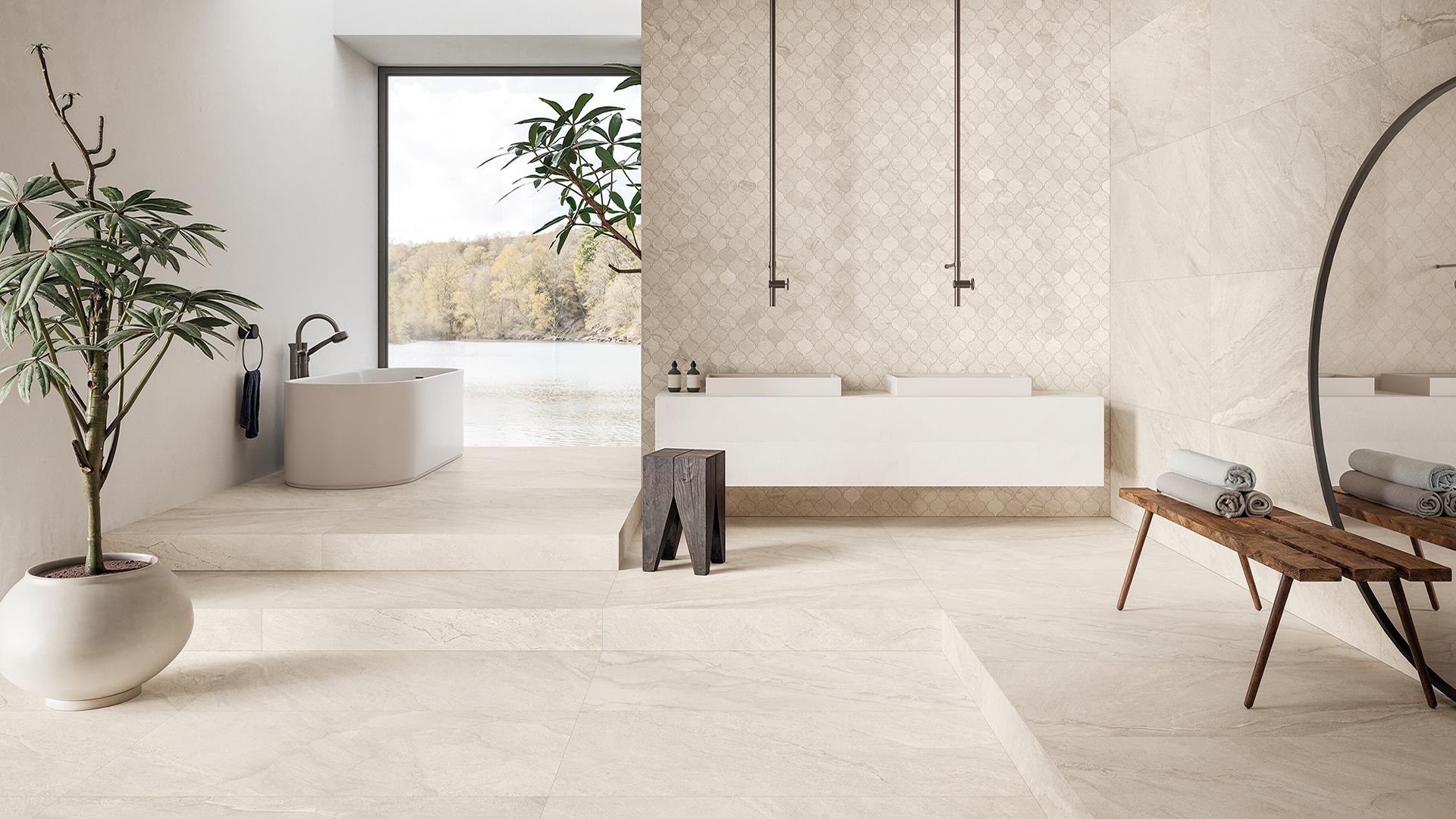
Among the dominant colors in Scandinavian style, white is undoubtedly the star, alongside more neutral tones such as light gray, beige, pastel colors, and light wood. For this style, light wood-effect stoneware like that of the W-Circles collection by Provenza, or neutral and luminous surfaces, are particularly well-suited for maintaining continuity, lightness, and visual naturalness.
Minimal style
The Minimal style, as the name suggests, consists of well-organized, functional spaces, free from any form of excess that might disrupt the sense of relaxation within the room.
“Less is more,” as the renowned architect Mies van der Rohe once said. And it is precisely this expression that best defines the minimalist style, characterized by neutral colors such as gray or taupe combined with textured finishes, including steel, for decorations and accents.
In this case, stoneware can serve as an excellent foundation: surfaces with a concrete or natural stone effect help maintain visual order, formal cleanliness, and consistency across spaces.
Japandi style
The Japandi style is the perfect fusion of Japanese and Scandinavian design: functionality, naturalness, calm, craftsmanship, and the beauty of imperfection are the elements that define these spaces. Nordic minimalism is paired with the warmth of materials and harmonious forms selected with the utmost care.
The quintessential effect: wood in all its shades, provided it emphasizes the connection with nature that is central to this style. Stone - or concrete - effect porcelain tile can also perfectly capture this aesthetic, especially in shades of sand, greige, beige, and taupe.
Industrial style
Originating in New York in the 1950s, the Industrial style is characterized by reclaimed materials and the repurposing of abandoned spaces, typically former offices, industrial warehouses, and factories.
In interior design, this approach to playing with contrasts is most evident in the choice of airy, well-lit spaces, where light becomes the central element, mimicking industrial spaces as closely as possible. Clean lines, materials that appear raw yet refined, and functional sturdy furnishings must be harmonized to adapt to any setting.
This aesthetic, which emphasizes the authenticity of spaces, is recognized using exposed structural elements, metal, concrete, brick, and weathered wood, often rendered in neutral or dark color palettes.
Modern style
The Modern style is characterized by shapes and volumes that blend aesthetic, functional, and sensory ideals within the same space. Clean, simple, and structured lines intertwine with different colors and finishes, moving away from minimalism. Furnishing a home in the Modern style means embracing the functionality of materials, with furniture designed to be used - not merely as decorative pieces.
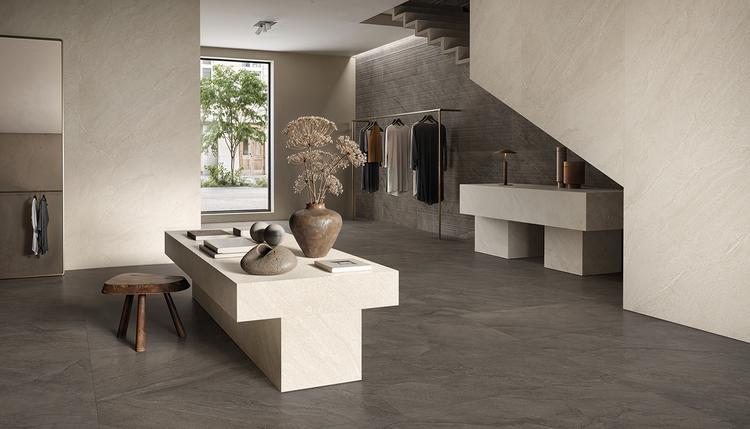
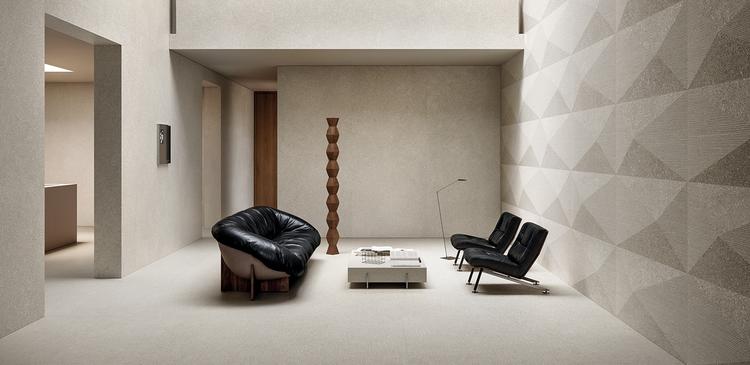
What most defines this style is the combination of neutral tones and black: white, dove gray, and beige, but also blue, dark green, or red are bold and equally excellent alternatives. Large-format stone-effect stoneware finds expression in the textural quality of the Pietra di Orosei collection by Provenza, enhancing this concept of order, functionality, and design continuity.
Classic style
The timeless charm of a Classic interior design style is immediately recognizable at first glance. Here, elegance and sophistication reign supreme, highlighting the beauty of the finishes and materials used.
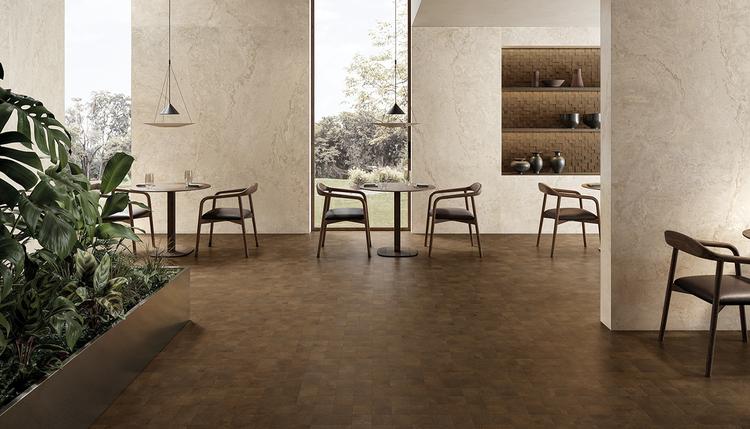
In particular, wood, marble, glass, and crystal are prominent, combined in either neutral or darker tones. For this style, the marble-effect stoneware or natural stone from the Dual Travertine collection by Emilceramica is a natural choice, as it enhances the elegance of the space with refined, durable, and timeless surfaces.
Luxury style
Contrary to popular belief, a luxury interior design style is not synonymous with theatricality, ostentation, and an endless array of intertwining decorations, but rather a harmonious blend of diverse, elegant materials that come together to create something refined and deeply personal.
The luxury style can be blended with other interior design styles, particularly minimalist, classic, or industrial, creating a unique atmosphere.
As for colors, shades such as gray, dove gray, or latte are preferable - neutral colors often paired with patterned textures to add emphasis. It is important, however, to pay attention to the final effect you wish to achieve: the luxury style, in fact, requires a certain harmony even in the chosen colors, balancing the weight of the shades well to create visual continuity and rhythm.
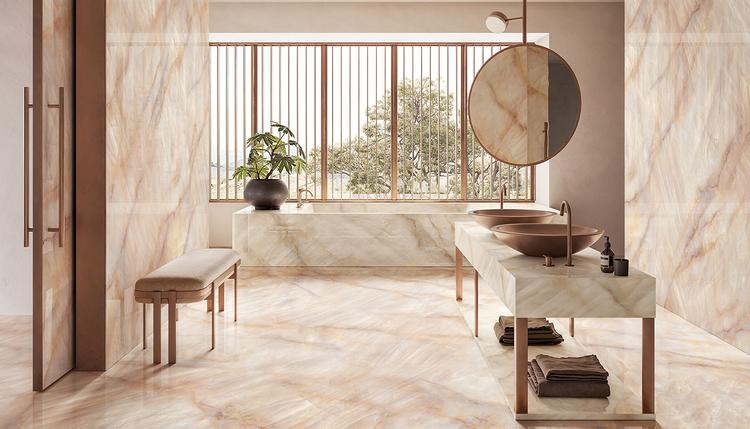
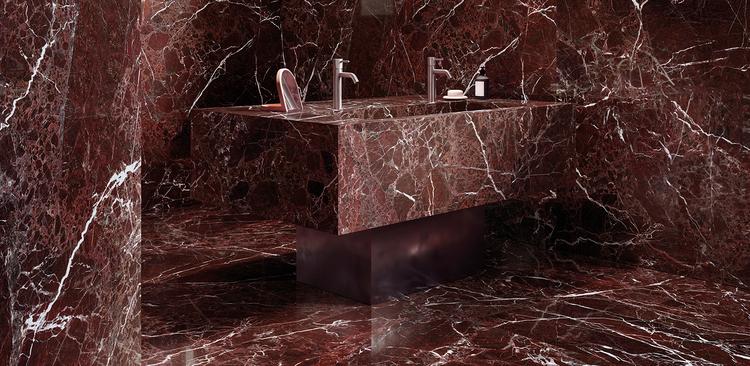
In this context, marble-effect stoneware works very well: with its play of light and depth, such as the tiles in Emilceramica’s Tele di Marmo Crystal collection, it helps create a sophisticated and elegant setting.
Rustic style
We shouldn’t be fooled by the name. The Rustic style makes use of raw, natural, and traditional materials such as wood, stone, and terracotta tiles, evoking the atmosphere of the countryside where simplicity and tradition take center stage.
The color combinations best suited to this style include earthy or neutral tones, such as beige, brown, terracotta, or green, usually paired with a white background. Stoneware with a terracotta, stone, or weathered wood effect conveys warmth and texture while remaining practical and durable.
Shabby Chic style
Originating in the 1980s, this interior design style highlights worn and weathered furnishings, infusing them with a touch of elegance and romance. The goal of the Shabby Chic style is to create an intimate and personal living space, achieved in part through the use of light wood, stone, and light colors such as white, beige, powder pink, and light gray.
Vintage style
The vintage style draws on furnishings, shapes, and design details from the past, typically from the 1920s to the 1970s. Those who choose this style for their home are not merely seeking a retro aesthetic; they aim to enhance their spaces with pieces of history, creating a unique blend of old and new.
In this vein, stoneware tiles like cementine, stone-effect tiles, or decorative textures can help evoke the character of the past with contemporary performance, striking a balance between the nostalgic charm of those years and modern design.
Eclectic style
This is a very distinctive style - eclectic, in fact - that blends different eras, materials, colors, and artistic influences. While it may seem chaotic at first glance, it is designed to create a harmonious space by combining classic and contemporary pieces with vintage or ethnic elements. The key is to always maintain a unifying thread that ties the visual narrative together.
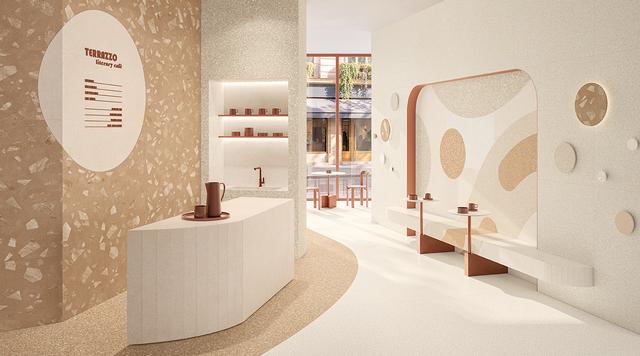
Neutral yet distinctive surfaces work well, serving as a base for a richer mix of furnishings and decorations: soft stone, warm concrete, terrazzo, or light textures. In an eclectic space, stoneware can help tie the elements together without competing with everything else.
What are the most popular interior design styles today?
Some interior design styles stand out more than others. Despite the seemingly endless variations available, there are certain styles that are currently among the most popular on the market.
Japandi and Wabi-Sabi: simplicity as luxury
In recent years, growing interest in homes that are more minimalist, sensory, and authentic has brought both the Japandi and Wabi-Sabi styles to the forefront. The former combines Nordic comfort with Japanese minimalism; the latter celebrates imperfection, impermanence, simplicity, and natural materials. In both cases, “luxury” is not about ostentation but rather about space, silence, tactility, quality, and connection with materials.
What is the cozy style? Home as a haven
It’s more of a mood than a specific style. Literally, “cozy” means welcoming or comfortable, and it uses materials that evoke a sense of sensory well-being, such as soft fabrics, warm, soft lighting, and materials and finishes that convey warmth and a welcoming atmosphere. Here, the atmosphere is the true focal point.
Quiet Luxury: elegance without excess
Unlike the Luxury style, Quiet Luxury focuses on understated elegance, where clean lines and neutral color palettes take center stage. When applied to interior design, it translates luxury into simplicity, quality, craftsmanship, restrained color palettes, fine materials, and refined yet unobtrusive details.
It is an aesthetic of moderation: everything appears well-curated, yet nothing seeks to show off. Precisely for this reason, it is often associated with interiors that are understated, layered, durable, and timeless.
FAQ about home decor styles
What are the most popular interior design styles?
In recent years, trends such as Japandi, Wabi-Sabi, Cozy, and Quiet Luxury have gained popularity, appreciated for their ability to combine aesthetics, comfort, and a sense of well-being in the home.
What is the difference between modern and contemporary styles?
The modern style refers to a specific historical period, linked to the modernist movement of the early 20th century. It is characterized by clean lines, simple geometries, functionality, and a generally neutral color palette.
Contemporary style, on the other hand, is not tied to a specific era but represents what is current. It is more fluid and constantly evolving. It can incorporate minimalist, industrial, natural, or classic elements, adapting to current trends. It often maintains a clean aesthetic but with greater expressive freedom than modern style.
What is the difference between rustic and country styles?
The rustic style is characterized by a more authentic and textural approach, rooted in tradition and the original architecture of the space. It emphasizes natural materials such as solid wood, stone, and weathered surfaces, often left unfinished or minimally treated. The atmosphere is warm, uncluttered, and deeply connected to nature.
Country style, while sharing the same rural inspiration, has a more decorative and welcoming character. It draws inspiration from the country's home, but with a more refined and “softened” approach: light or pastel colors, floral textiles, vintage details, and a greater focus on the aesthetic and narrative elements of the spaces.
Collections used in the project





Any Questions?
If you are looking for the ideal covering for your home or business or you have any questions about our collections, don’t hesitate to get in touch! Together we’ll find your perfect bespoke solution!
If you are looking for the ideal covering for your home or business or you have any questions about our collections, don’t hesitate to get in touch! Together we’ll find your perfect bespoke solution!
Enter the Emilgroup world!
Stay up to date with the latest news from the world of ceramics. Find out about our new collections, events and innovative applications of porcelain stoneware.